

Wood vs Vinyl Fence: Which is Right for Your Home?
Choosing the right fence material is about more than just defining your property line – it’s about enhancing the appearance of your home or business, creating a space that fits your goals or lifestyle, and providing security. Two of the most popular options homeowners often consider are wood fencing and vinyl fencing. Each material has unique benefits and potential drawbacks. Understanding the differences can help you decide which style is the best fit for your property.
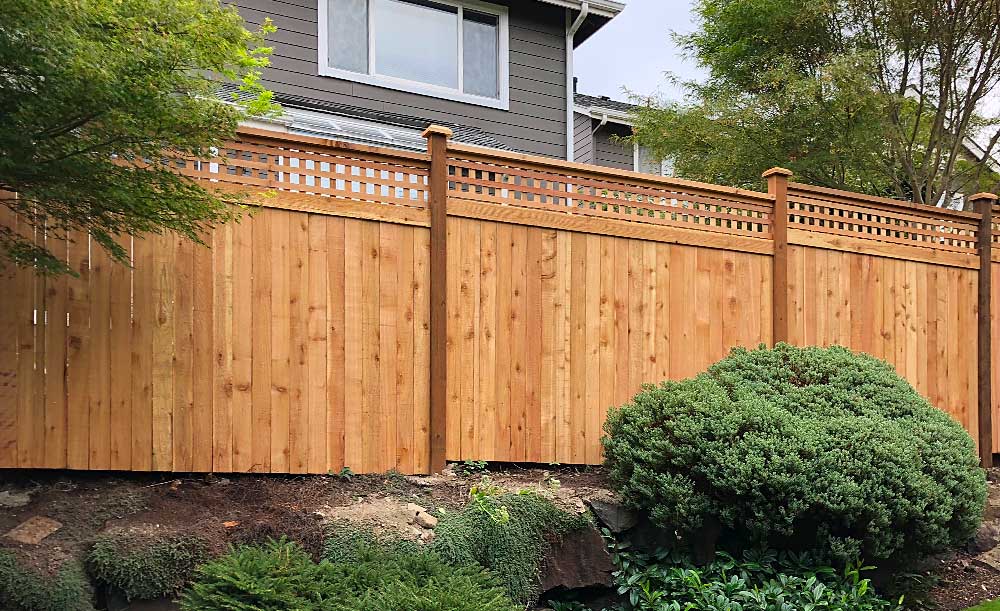
Wood Fencing
Pros:
- Natural Beauty: Few materials match the timeless warmth and character of real wood. Western Red Cedar, in particular, provides a classic look that blends beautifully with landscaping.
- Customizable: Wood can be cut, stained, or painted to fit your exact style. From picket fences to tall privacy panels, the design options are nearly endless.
- Cost-Effective: Generally less expensive to install compared to vinyl.
Cons:
- Maintenance: Wood requires regular upkeep, such as staining or sealing, to protect against weathering, rot, and insects.
- Longevity: Even with care, wood fencing has a shorter lifespan than vinyl, often needing replacement or repair over time (typical lifespan of 15-20 years).
- Cost-Effective: Generally less expensive to install compared to vinyl.
- Vulnerability: Susceptible to warping, cracking, and damage from moisture.
Vinyl Fencing
Pros:
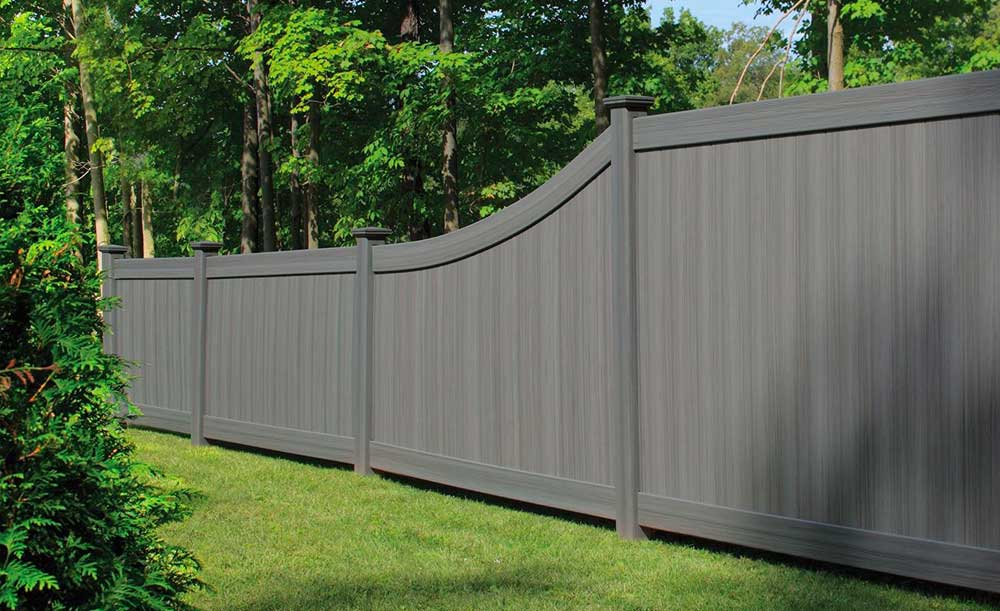
- Low Maintenance: Vinyl doesn’t need painting, staining, or sealing. A quick rinse with a hose usually keeps it looking clean.
- Durability: Resistant to rot, pests, and moisture. Vinyl won’t warp or crack the way wood sometimes does.
- Long Lifespan: With minimal upkeep, vinyl fencing typically lasts longer than wood, making it a strong long-term investment.
- Clean, Modern Look: Offers a polished, uniform appearance with a wide variety of colors and styles.
Cons:
- Upfront Cost: Vinyl tends to be more expensive to install than wood.
- Less Customizable: While available in many styles, vinyl doesn’t offer the same flexibility for one-of-a-kind designs or staining/painting options.
Wood vs Vinyl Fencing: How to Decide
When choosing between wood and vinyl fencing, ask yourself these key questions:
- What’s my budget? If you want lower upfront costs, wood may be the better choice. For long-term savings, vinyl often pays off.
- How much maintenance am I willing to do? If you don’t mind occasional staining or painting, wood is great. If you’d prefer little to no upkeep, vinyl is ideal.
- What style fits my home? If you love the rustic, natural look, wood is hard to beat. For a clean, consistent finish, vinyl delivers.
- How long do I plan to stay in my home? If this is your forever home, investing in vinyl could make sense. If you may move in the near future, wood can provide great value now.
The Bottom Line
Both wood and vinyl fencing offer excellent options, each with its own strengths. Wood delivers a natural, classic charm and flexibility, while vinyl provides unmatched longevity and minimal maintenance. For a more durable wood fence, consider post-on-pipe. The right choice depends on your priorities, style preferences, and budget.
At Economy Fence Center, we’ve helped thousands of homeowners across the Puget Sound area choose the perfect fence for their property. Our award-winning team can walk you through the options, provide samples, and give you a free estimate to help you make the decision that’s right for you.
See more insights from the Economy Fence team. Ready to get discuss your project? Contact us today or call 866-257-0020 for your free consultation.