
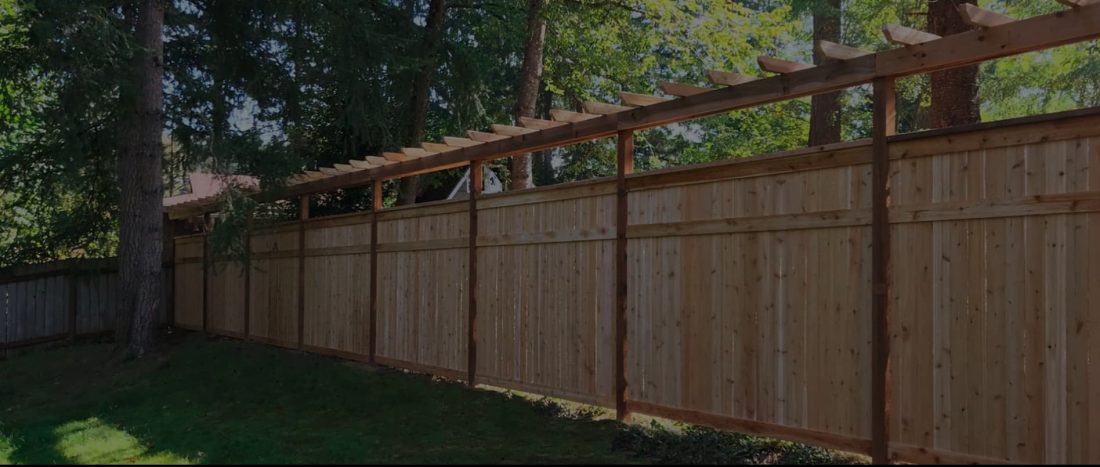
How Long Does a Wood Fence Last?
When considering a new wood fence, one of the first questions you might ask is: “How long will it last?” The answer depends on several factors, including the type of wood, the quality of installation, the local climate, and how well you maintain it.
Here in Western Washington, where moisture, moss, and seasonal weather shifts are part of everyday life, wood fences endure different challenges than in drier parts of the country. But with the right materials and maintenance, a wood fence can remain strong, beautiful, and functional for many years.
At Economy Fence Center, we’ve built tens of thousands of wood fences across the state, and we’re sharing what homeowners should expect when investing in a wood fence.
Average Lifespan of a Wood Fence
On average, a professionally installed wood fence lasts:
- 10–12 years for Pressure-Treated wood
- Pressure-treated fences are more affordable but don’t offer the same longevity or natural resistance as cedar. They can still perform well with consistent maintenance.
- 15–20 years (or longer) for Cedar
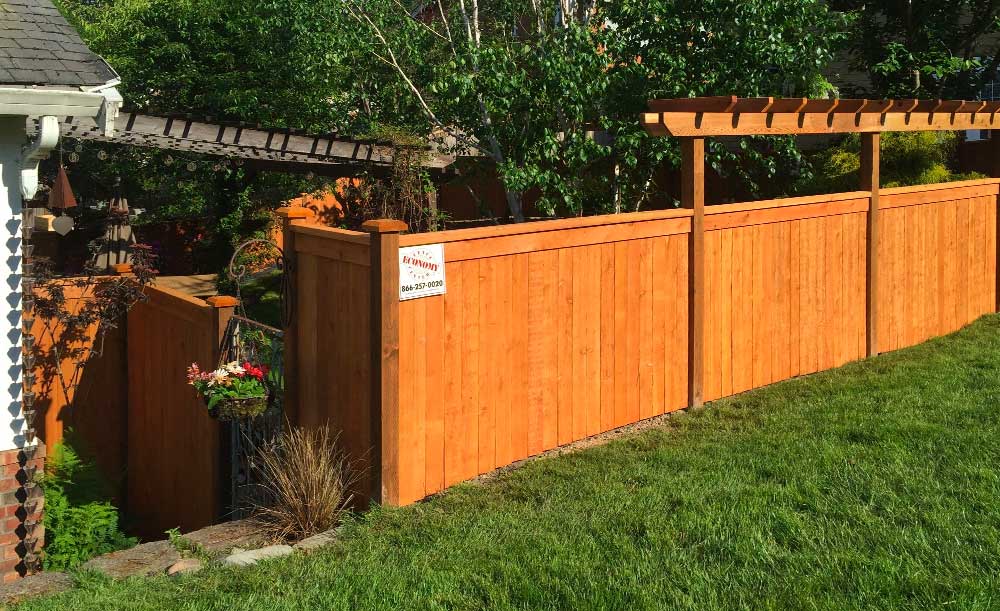
- Western Red Cedar — the most popular wood fencing option in the PNW — naturally resists rot, decay, and insects. It’s durable, lightweight, and ideal for our region’s climate. With proper care, cedar fences often last 20 years or more.
- Up to 25+ years with Premium Materials & Upgrades
- Adding options like steel post-on-pipe and top grade Western Red Cedar boards, choosing the right fence style or post caps can significantly extend the life of your fence, especially in areas with heavy moisture.
What Factors Affect How Long a Wood Fence Will Last?
1. Wood Type: #1 Western Red Cedar is the gold standard in the Northwest because it resists moisture and pests. Lower-priced woods warp, crack, split, and rot, and they deteriorate faster and require more upkeep.
2. Installation Quality: A fence is only as good as the craftsmanship behind it. Properly set posts, thoughtful spacing, and professional construction prevent early sagging, splitting, waning, twisting, leaning, rotting, and frankly just falling apart.
3. Climate Conditions: Western Washington homeowners face heavy rain, moss growth, soil erosion, seasonal windstorms, and more.
4. Maintenance: Regular upkeep can add years to your wood fence’s life, including:
- Cleaning off moss and dirt
- Re-staining or sealing every year
- Repairing or replacing broken pickets and rotting/leaning posts promptly
5. Hardware & Structural Components: High-quality hardware (hinges, latches, screws, and fasteners) helps your fence stay functional long-term. Inferior hardware rusts and bleeds quickly in Western Washington, shortening the fence’s lifespan and beauty.
How to Maximize the Life of Your Wood Fence
- Choose #1 grade Western Red Cedar
- Buy pre-stained Western Red Cedar
- Keep shrubs and soil off the fence line
- Repair loose pickets and rails early
- Maintain gates
A little maintenance goes a long way in preserving both the appearance and structural integrity of your fence.
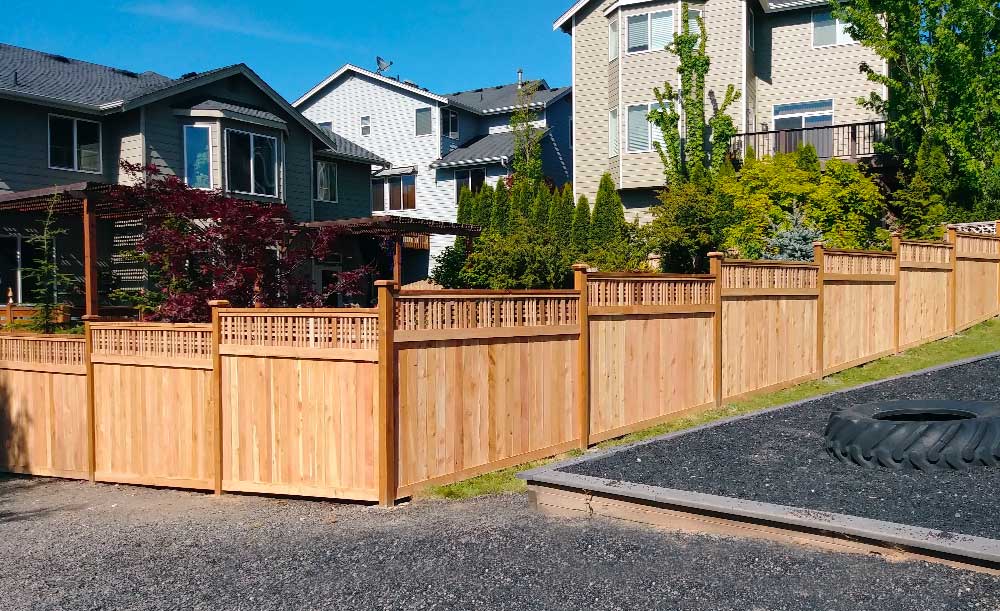
When Is It Time to Replace Your Wood Fence?
You may need to replace your fence if you notice:
- Serious rotting or soft posts
- Leaning sections
- Widespread picket decay and mold
- Gates that can no longer be repaired or opened
- Major storm damage
As fences age, repairs may become more frequent and more expensive than replacement. A professional inspection can help you decide what’s best. Learn more about when to repair or replace your fence.
Thinking About a New Wood Fence? We Can Help.
At Economy Fence Center, we’ve been installing quality wood fences in the Puget Sound area for over 40 years. From classic cedar privacy fencing to custom designs, we build fences that last. Let our team help you choose a wood fence that brings beauty, security, and long-lasting value to your home or business.
- Call us: 866-257-0020
- Request a free estimate