What to Expect During Fence Installation
Adding a fence to your property is a meaningful upgrade that can enhance privacy, security, safety, and curb appeal. If you’ve never had a fence installed before, it’s natural to wonder how the fence installation process works and what the experience will be like from start to finish. While every project is slightly different, most fence installations follow a similar series of steps designed to ensure a smooth, efficient, and long-lasting result.
Planning Comes First
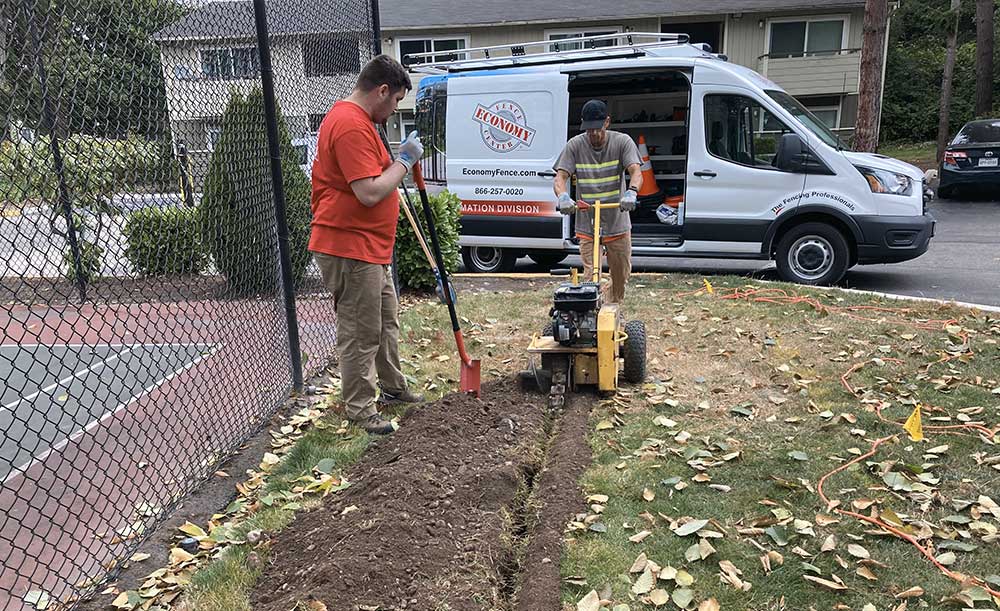
Before any digging or construction begins, your fence company or contractor will spend time preparing for the project. This typically includes confirming property boundaries, reviewing local regulations, and selecting the fence style and materials that best fit the space and specific needs.
You may also notice underground utilities being marked (usually scheduled by the fencing contractor with the county). This important safety step helps prevent accidental damage and keeps the installation moving forward without unnecessary delays. Proper planning lays the groundwork for a successful project and helps avoid surprises later.
Planning Comes First
Before any digging or construction begins, your fence company or contractor will spend time preparing for the project. This typically includes confirming property boundaries, reviewing local regulations, and selecting the fence style and materials that best fit the space and specific needs.
You may also notice underground utilities being marked (usually scheduled by the fencing contractor with the county). This important safety step helps prevent accidental damage and keeps the installation moving forward without unnecessary delays. Proper planning lays the groundwork for a successful project and helps avoid surprises later.
Fence Layout and Post Installation
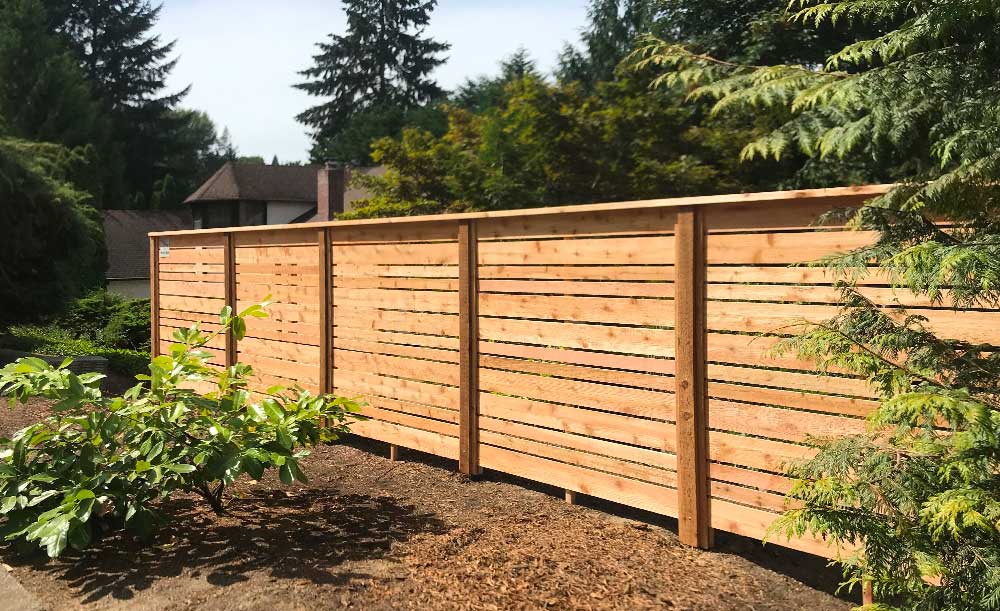
Once preparation is complete (including removal of the old fence), the installation area is carefully measured and marked to guide fence placement. Accuracy during this phase ensures straight lines, even spacing, and a clean final appearance.
Next comes one of the most critical steps: setting the fence posts. Holes are dug to the appropriate depth, and posts are secured – often with concrete – to create a stable foundation. Because the strength of the entire fence depends on the posts, this part of the process requires particular care and attention. For the strongest, most durable fence, ask your installation team about post-on-pipe fencing.
Fence Layout and Post Installation
Once preparation is complete (including removal of the old fence), the installation area is carefully measured and marked to guide fence placement. Accuracy during this phase ensures straight lines, even spacing, and a clean final appearance.
Next comes one of the most critical steps: setting the fence posts. Holes are dug to the appropriate depth, and posts are secured – often with concrete – to create a stable foundation. Because the strength of the entire fence depends on the posts, this part of the process requires particular care and attention. For the strongest, most durable fence, ask your installation team about post-on-pipe fencing.
Building the Fence Structure
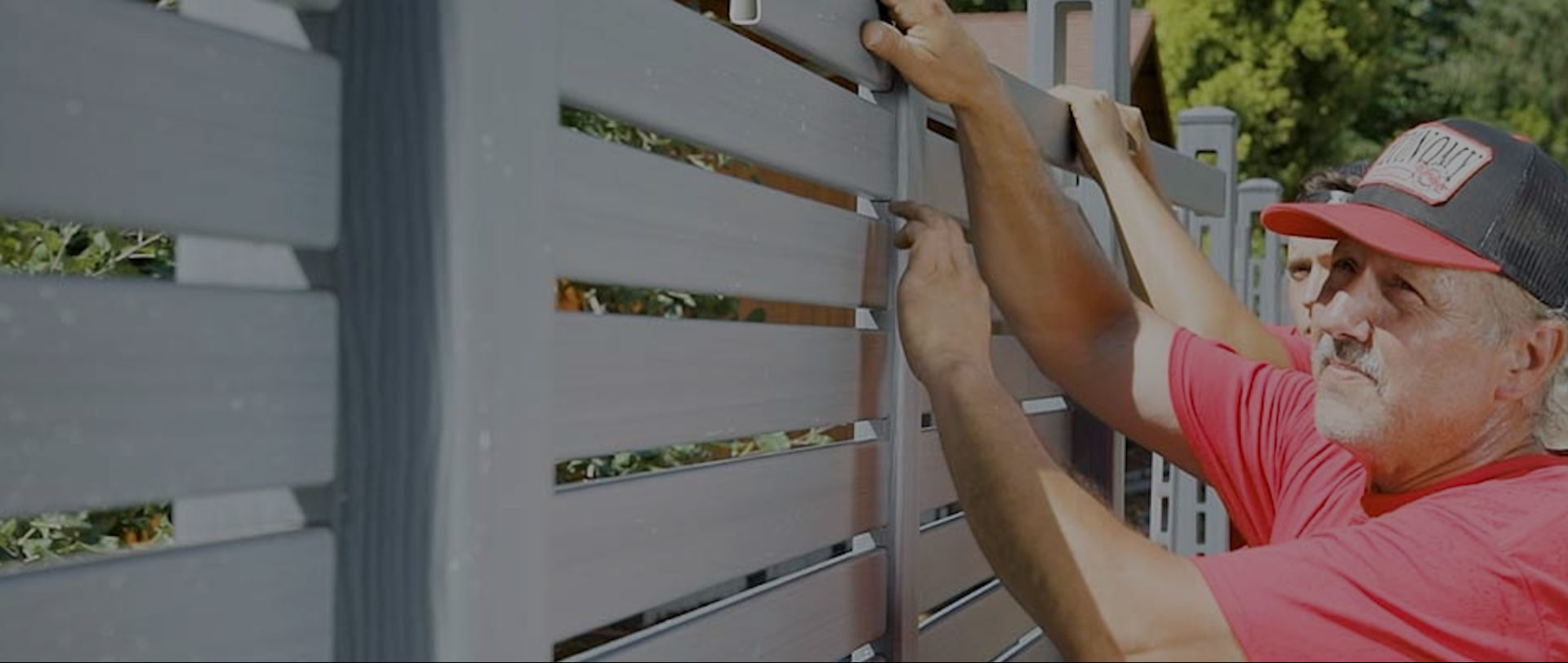
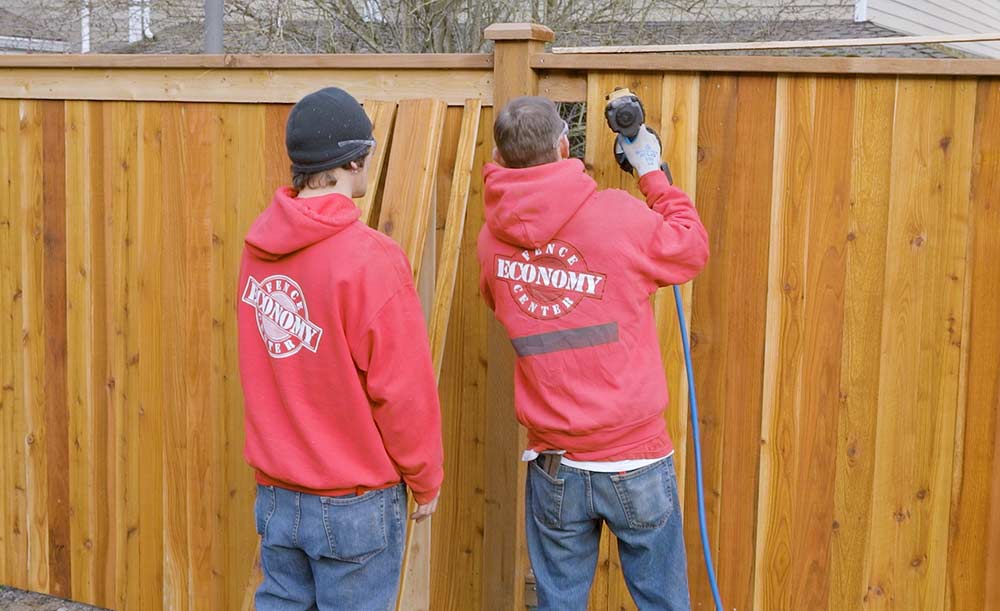
After the posts are firmly in place, the visible portions of the fence begin to come together. Panels, rails, pickets, or metal sections are attached, and the overall shape of the fence quickly becomes clear.
This stage is often the most exciting for property owners, as the space starts to feel more defined and complete. What was once an open yard transforms into an area that feels more secure, private, and visually finished.
Building the Fence Structure
After the posts are firmly in place, the visible portions of the fence begin to come together. Panels, rails, pickets, or metal sections are attached, and the overall shape of the fence quickly becomes clear.
This stage is often the most exciting for property owners, as the space starts to feel more defined and complete. What was once an open yard transforms into an area that feels more secure, private, and visually finished.
Gates and Final Details
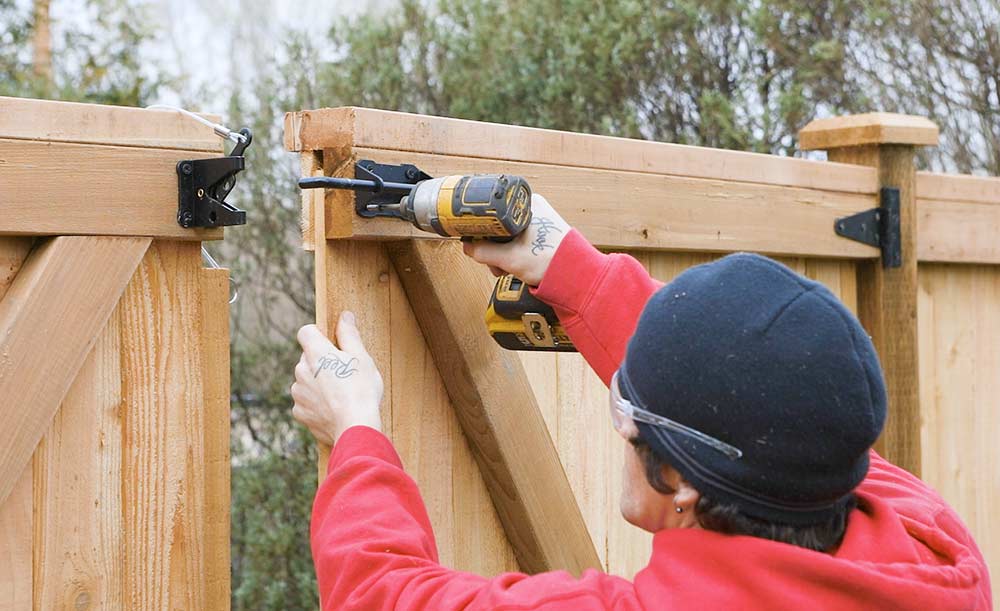
With the main fence installed, the attention turns to gates, hardware, arbors & trellises, and finishing touches. Gates are aligned for smooth operation and secure closure, and the entire fence is checked to ensure it meets quality expectations.
The work area is typically cleaned (including disposal of the old fence), any leftover materials are removed, and a final review helps confirm that everything is functioning as it should. These last details play an important role in both appearance and long-term performance.
Gates and Final Details
With the main fence installed, the attention turns to gates, hardware, arbors & trellises, and finishing touches. Gates are aligned for smooth operation and secure closure, and the entire fence is checked to ensure it meets quality expectations.
The work area is typically cleaned (including disposal of the old fence), any leftover materials are removed, and a final review helps confirm that everything is functioning as it should. These last details play an important role in both appearance and long-term performance.
A Smooth Path to a Finished Fence
Fence installation is a straightforward process when approached with careful planning, skilled workmanship, and attention to detail. Understanding the general steps, from preparation to final walkthrough, can make the experience feel simple and stress-free. See our blog on how to choose the right fence contractor.
Questions about fence installation? Ask the Economy Fence team today by calling 866-257-0020 or submitting our contact form.